When to Replace Your Sliding Door Rollers: 5 Clear Signs
May 5, 2025
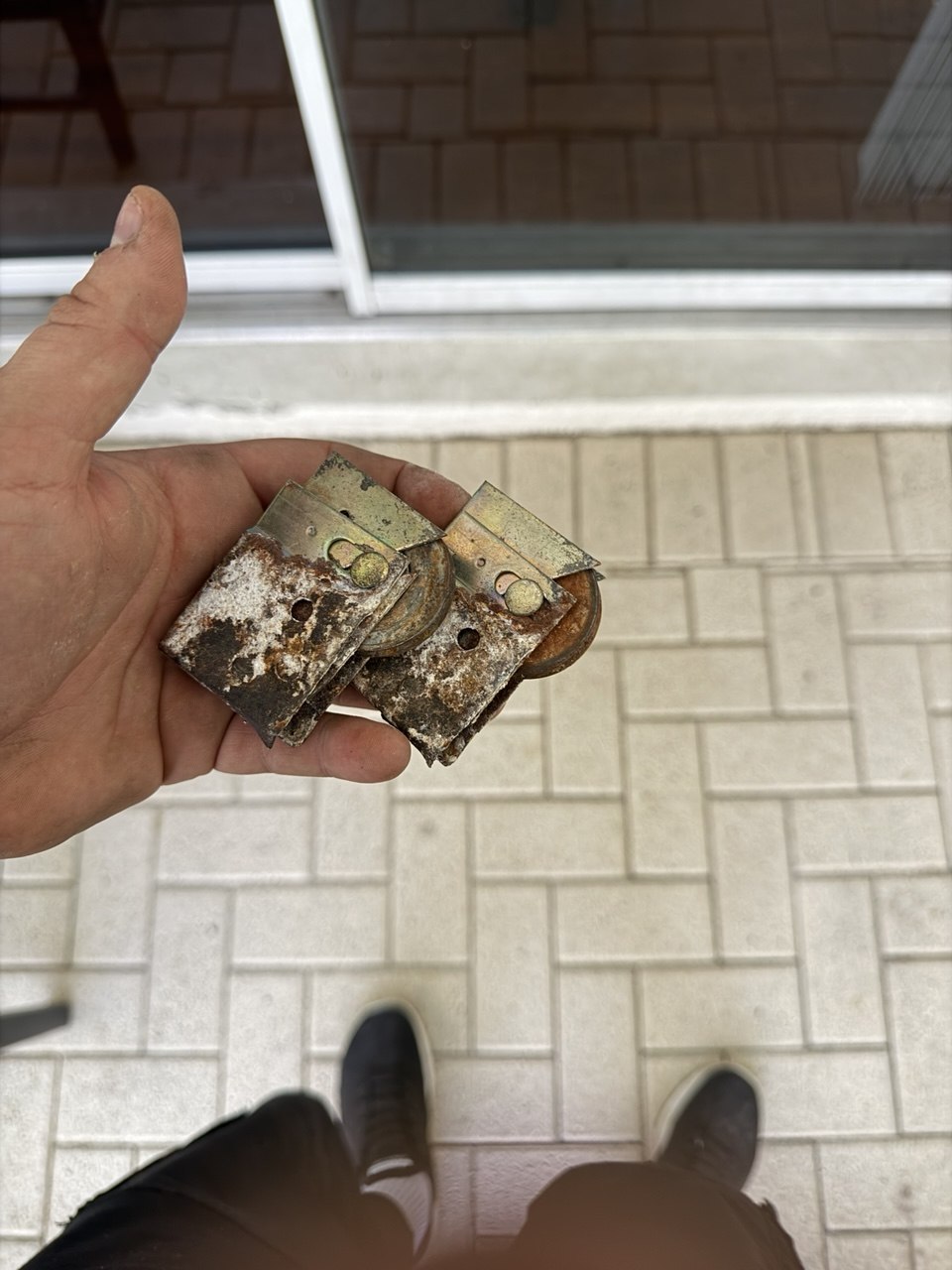
Sliding Door Rollers: When to Replace Them and Why It Matters
Every time you slide open your patio door, you're putting your trust in a small but mighty component: the rollers. These unassuming wheels, tucked away at the bottom of the door panel, carry the full weight of the glass—often several hundred pounds—every single time you open or close the door. It's a demanding job, and over time, even the best rollers will wear out.
When rollers fail, the door becomes a hassle at best and a safety hazard at worst. It can stick, scrape, wobble, or even jump off its track entirely. The good news? Replacing rollers is one of the most cost-effective repairs you can make—and it can restore your door to factory-smooth operation.
In this guide, we'll cover how long rollers typically last, the five telltale signs that yours need replacing, and what to expect when it's time for an upgrade.
How Long Do Sliding Door Rollers Last?
The lifespan of your rollers depends on three key factors: quality, usage, and environment.
- Quality rollers made with stainless steel bearings and durable nylon or steel wheels can last 10 to 20 years under normal conditions.
- Budget rollers with plastic wheels or inferior bearings may fail in as little as 5 to 7 years.
However, if you live in Florida—especially in the Tampa Bay area—you're dealing with a unique set of challenges. The combination of:
- Salt air that accelerates corrosion on metal components
- Fine sand that infiltrates the track and acts like abrasive grit
- High humidity that promotes rust and degradation
...means that rollers often wear out faster here than in other parts of the country. For many Tampa Bay homeowners, roller replacement is needed every 7 to 12 years—so if you've been in your home for a decade and haven't replaced your rollers, it's worth a closer look.
Sign 1: The Door Is Hard to Open
This is the most obvious and frustrating sign. You find yourself using your shoulder, your hip, or even both hands to shove the door open. It feels like you're trying to move a boulder instead of a sliding door.
What's happening: Your rollers are supposed to carry the door's weight on smooth bearings, allowing it to glide with minimal effort. When the wheels are worn down, the bearings are seized, or the roller housing is damaged, the door drags instead of glides. In some cases, the rollers may have collapsed entirely, causing the door to rest directly on the track—metal on metal.
What to do: If you've cleaned the track and lubricated the rollers and the door is still difficult to move, it's almost certainly time for a roller replacement. Don't wait—forcing a heavy door can damage the track and make the repair more expensive.
Sign 2: Grinding or Squeaking Noises
A healthy sliding door operates in near silence—just a smooth, quiet whisper of movement. If your door has started to screech, squeal, grind, or rumble every time you open it, your rollers are crying out for help.
What's happening: These noises usually mean one of two things:
- The bearings are worn or seized. Instead of spinning smoothly, the wheel is grinding against its housing.
- The wheel has developed flat spots. Over time, the weight of the door can deform the wheel, creating a flat section that thumps and grinds as it rolls.
Why it matters: Grinding isn't just annoying—it's damaging. Each pass scrapes away more material from both the roller and the track, accelerating wear and potentially requiring more extensive repairs down the line.
Sign 3: The Door Wobbles
Does your door shake, rattle, or feel unsteady as you slide it open? This is more than just a nuisance—it's a warning sign that your rollers are wearing unevenly.
What's happening: The two rollers on a sliding door (one on each side) are meant to work in perfect unison, supporting the door evenly. When one roller wears faster than the other—or when one side has collapsed—the door becomes unbalanced. As it moves, it rocks and wobbles because the weight isn't distributed evenly.
Why it matters: A wobbling door doesn't just feel insecure; it also places uneven stress on the glass panel and the frame. Over time, this stress can cause the glass to crack or the frame to warp, turning a simple roller replacement into a much more expensive repair.
Sign 4: The Door Has Dropped
Stand back and look at your sliding door from a distance. Does one side sit noticeably lower than the other? Is there a gap at the top of one corner, or does the door scrape the threshold at the bottom?
What's happening: This is a clear sign that the rollers on the low side have collapsed or broken. Without proper support, the door has sagged, causing it to sit unevenly in its frame.
What to look for:
- The door scrapes along the bottom track when opened
- There's an uneven gap between the door and the frame
- The lock no longer aligns properly with the strike plate
Why it matters: A dropped door isn't just difficult to operate—it's a security risk. If the lock doesn't align, your door may not latch properly, making it easier for an intruder to force it open. Additionally, the scraping can permanently damage your track.
Sign 5: The Door Jumps Off the Track
Have you ever slid your door open only to have it jump, rattle, or completely derail from the track? This is one of the most alarming signs—and one of the clearest indicators that your rollers are at the end of their life.
What's happening: The rollers are designed to fit securely within the track channel, keeping the door seated and aligned. When the wheels become so worn that they no longer maintain proper contact with the track—or when the roller housing has broken—the door can literally bounce or slide out of position.
Why it matters: Frequent derailments are dangerous. A heavy glass door that jumps off its track can fall, shattering the glass or causing serious injury. It also means the door isn't secure in its frame, leaving your home vulnerable to forced entry. If this happens, stop using the door immediately and call a professional.
The All Sliding Repair Advantage: We Stock Rollers for Every Major Brand
One of the biggest frustrations homeowners face is finding the right replacement rollers. There are dozens of manufacturers, each with slightly different sizes, shapes, and mounting configurations. Ordering the wrong part means delays, frustration, and multiple trips to the hardware store.
At All Sliding Repair, we've solved that problem. We stock replacement rollers for all major brands, including:
- PGT (one of the most common brands in Florida homes)
- CGI (Custom Glass Industries)
- Andersen
- Pella
- And many more
When you call us, we can often identify the correct roller over the phone based on your door's make, model, and age. We bring the right parts with us on the first visit, so there's no waiting for special orders. We arrive, we assess, we replace, and your door is back in action the same day.
What to Expect from a Roller Replacement
If you're considering replacing your rollers—or if you've noticed any of the signs above—here's what a typical replacement process looks like:
1. Assessment: A technician inspects the door, track, and rollers to confirm the issue and identify the correct replacement parts.
2. Removal: The door panel is carefully lifted off the track and laid flat on a padded surface.
3. Replacement: Old rollers are removed and new, high-quality rollers are installed.
4. Reinstallation: The door is placed back on the track and adjusted for height and alignment.
5. Testing: The door is tested multiple times to ensure smooth, quiet operation and proper lock engagement.
The entire process typically takes 1 to 2 hours—and the difference in how your door feels is immediate and dramatic.
Final Thoughts: Don't Wait Until Your Door Fails
Your sliding door rollers work hard every day, carrying hundreds of pounds of glass through thousands of open-close cycles. They're built to last, but they're not built to last forever.
If you've noticed any of the five signs we've covered—**hard operation, grinding noises, wobbling, dropping, or jumping off the track**—it's time to take action. Delaying roller replacement doesn't just make the problem worse; it can also damage your track, your lock, and even your glass panel.
At All Sliding Repair, we specialize in sliding door roller replacements for homes throughout the Tampa Bay area. We stock the right parts for every major brand, provide transparent upfront pricing, and guarantee our work.
Don't struggle with a stubborn sliding door for another day. Call us at (813) 576-2283 to schedule a service appointment. We'll have your door gliding like new in no time.
Callfor same-day service.
Need same-day help in Tampa Bay?
Free estimates · Licensed & Insured · 90-Day Guarantee
Service Areas
Same-day sliding door & window repair across 25+ cities in Tampa Bay.