How to Maintain Your Sliding Door: A Tampa Bay Homeowner's Guide
May 15, 2025
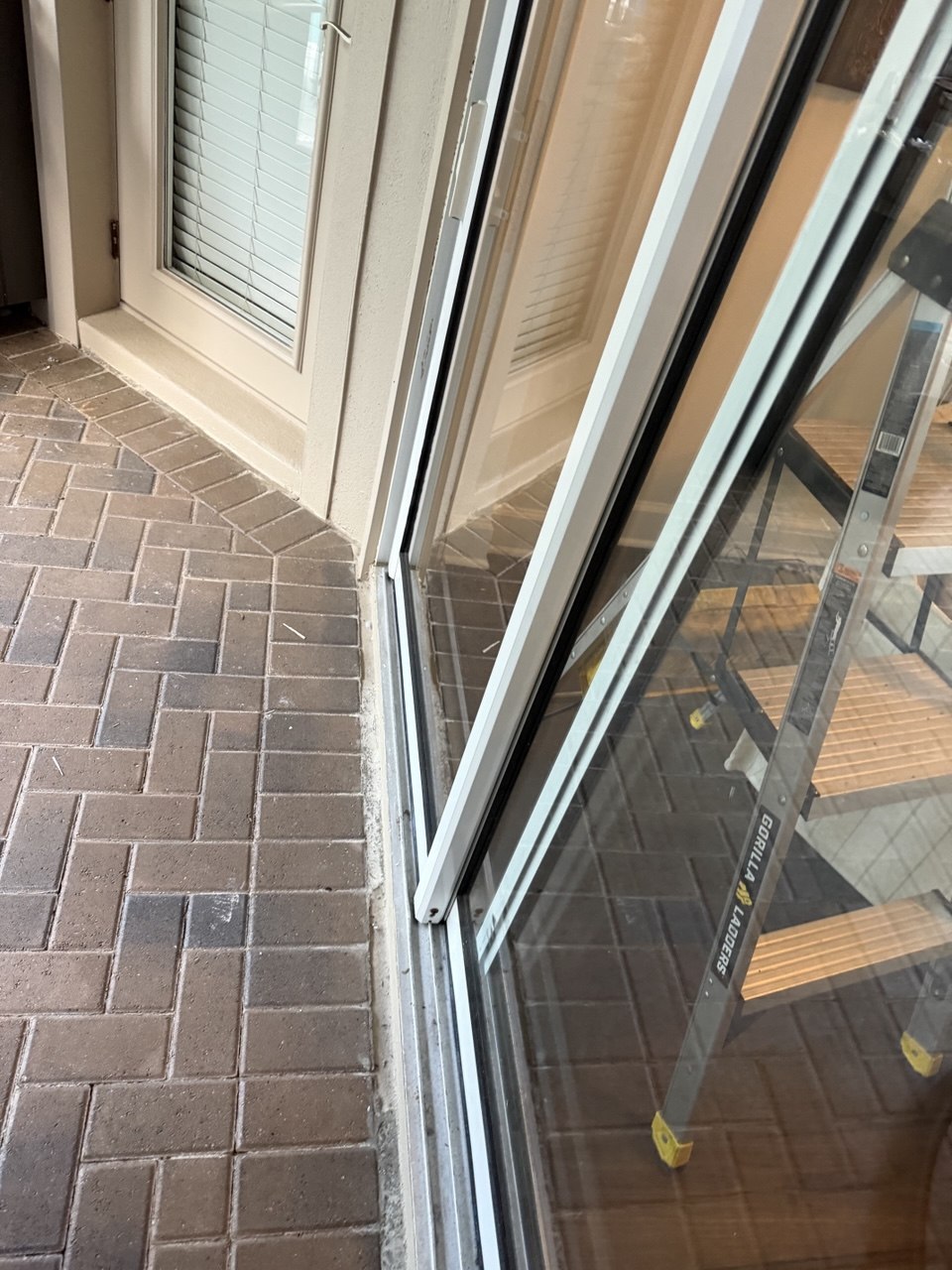
Sliding Door Maintenance Made Simple: 30 Minutes a Year for Decades of Smooth Operation
A well-maintained sliding glass door is one of those things you rarely think about—until it stops working properly. When the rollers are smooth, the track is clean, and the lock engages with a satisfying click, your door operates so effortlessly that you almost forget it's there. And that's exactly how it should be.
The truth is, sliding doors are built to last. With minimal care, a quality sliding door can glide open and closed for decades without major issues. The best part? Basic preventive maintenance takes less than 30 minutes per year—a tiny investment of time that can save you hundreds of dollars in repairs and replacements down the road.
In this guide, we'll walk you through five simple maintenance tasks that will keep your sliding door in peak condition. No special tools required. No expensive products. Just straightforward, practical care that anyone can do.
1. Clean the Track (Every 3 to 6 Months)
The track is the foundation of your sliding door's movement. When it's clean, your rollers glide smoothly. When it's clogged with dirt, sand, pet hair, and debris, every open and close becomes a struggle that wears down both the track and the rollers.
Why every 3–6 months? If you live in a dusty area, have pets, or use your patio door frequently, aim for every 3 months. In cleaner environments or with less use, every 6 months is sufficient.
Step-by-step cleaning:
- Step 1: Vacuum loose debris. Use a vacuum cleaner with a narrow crevice attachment to remove loose dirt, sand, and dust from the track channel. This prevents scratching when you scrub.
- Step 2: Scrub with a stiff brush and warm soapy water. Dip a stiff-bristled brush (an old toothbrush or a small detailing brush works great) into warm water mixed with a few drops of mild dish soap. Scrub along the entire length of the track, paying extra attention to corners and any areas where grime seems baked on.
- Step 3: Wipe clean and allow to dry. Use a clean, damp cloth to remove soap residue, then dry the track thoroughly with a towel. Never leave the track wet—moisture can lead to rust, especially in coastal areas like Tampa Bay.
Pro tip: For stubborn, caked-on dirt, a plastic scraper or an old credit card can help gently dislodge grime without scratching the metal.
2. Lubricate the Rollers (Once a Year)
Lubrication is the single most overlooked aspect of sliding door maintenance. Proper lubrication reduces friction, prevents wear, and keeps your door moving smoothly for years.
What to use:
- Dry silicone spray or PTFE-based lubricant (often sold as "dry lube" or "Teflon spray")
- These products leave a smooth, non-stick film that repels dirt and dust
What to avoid:
- WD-40 (the classic blue-and-yellow can) is not a lubricant—it's a degreaser and water displacer. Spraying it directly on your rollers will actually strip away existing lubrication and attract dirt, causing premature wear. (WD-40 does make a dedicated silicone lubricant product, but the standard version should stay on your workbench, not on your sliding door.)
How to apply:
- Open the door fully to expose the rollers.
- Spray a small amount of dry silicone lubricant directly onto the rollers and along the track.
- Open and close the door several times to distribute the lubricant evenly.
- Wipe away any excess with a clean cloth.
Pro tip: Apply lubricant after cleaning, not before. Lubricant on a dirty track will just create a sticky paste that makes things worse.
3. Check the Weatherstripping
Weatherstripping is the rubber or vinyl seal that runs along the edges of your sliding door. It keeps out drafts, rain, insects, and dust while also contributing to your home's energy efficiency.
What to look for:
- Tears or splits in the rubber or vinyl material
- Gaps where the seal no longer makes contact with the door frame
- Mold or mildew growth (common in humid Florida climates)
How to maintain it:
- Clean the weatherstripping with mild soap and water. Wipe it down with a soft cloth to remove dirt and any mildew spots. Avoid harsh chemicals that can degrade the rubber.
- Inspect for damage. If you see cracks or missing sections, it's time to replace it.
Cost to replace: Weatherstripping kits are inexpensive—typically $20 to $50 in materials—and are available at most hardware stores. Many are designed for DIY installation, though some models may require a professional for a perfect fit.
Why it matters: Damaged weatherstripping isn't just about comfort; it can also let moisture into your track, accelerating rust and corrosion.
4. Inspect the Rollers
Your rollers carry the full weight of the sliding door. Over time, they can wear down, develop flat spots, or accumulate debris that affects their shape.
How to inspect:
- Open the door completely so you can see the bottom rollers clearly.
- Look closely at each roller. They should be smooth and round with no visible flat spots, cracks, or uneven wear.
- Spin the rollers gently with your finger (if accessible). They should rotate freely without grinding or sticking.
Warning signs:
- Flat spots create a "thumping" sensation as the door moves.
- Uneven wear suggests the door is misaligned or the track is damaged.
- Grinding or squeaking indicates that the rollers are either dry or worn out.
What to do: If the rollers are worn but the track is in good condition, replacing the rollers alone can make a dramatic difference. This is a moderate DIY job for handy homeowners, but professional installation ensures proper alignment and avoids accidental damage to the door.
5. Test the Lock Each Season
The lock is your first line of security—but it's also a moving mechanical part that needs attention.
How to test:
- Open and close the door, then engage the lock.
- The lock should slide or turn smoothly with minimal effort.
- The door should lock securely without needing to be forced or lifted.
What resistance means:
- If the lock feels stiff, sticky, or hard to engage, it needs adjustment now—not after it fails completely.
- Resistance often indicates misalignment between the lock and the strike plate. Over time, the door can settle or shift, causing the lock to bind.
- Delaying adjustment can lead to a broken lock mechanism, a stuck door, or a door that won't lock at all.
Quick fix: In many cases, a small adjustment to the door's height (using the roller adjustment screws) or repositioning the strike plate resolves the issue. If you're not comfortable making these adjustments, a professional can do it in minutes.
When to Call a Professional
You've cleaned the track. You've lubricated the rollers. You've inspected the weatherstripping. And yet, your door still...
- Remains hard to open or close even after thorough cleaning
- Drops or scrapes along the track
- Makes grinding, squealing, or scraping noises
- Won't stay in position (keeps sliding open or closed on its own)
If you're experiencing any of these issues, the problem is likely deeper than basic maintenance. It could be a damaged track, worn rollers that need replacement, a misaligned door frame, or even a bent door panel. In these cases, DIY solutions won't cut it—and attempting to force the door can cause further damage.
Final Thoughts: A Little Care Goes a Long Way
A sliding door is an investment in your home's comfort, aesthetics, and value. With just 30 minutes of maintenance per year—a few simple cleaning and lubrication tasks—you can keep it operating smoothly for decades. The cost of preventive care is minimal compared to the expense and inconvenience of a stuck door, a broken lock, or a full replacement.
At All Sliding Repair, we believe in empowering homeowners with the knowledge to care for their doors. But we also know when to step in. If your door isn't cooperating despite your best efforts, we're here to help.
We offer honest assessments, transparent pricing, and expert service. No upselling, no pressure—just reliable solutions that work.
Call us today at (813) 576-2283 to schedule a service appointment. Whether you need a simple adjustment, a roller replacement, or a full track overhaul, we'll get your door gliding like new.
Need same-day help in Tampa Bay?
Free estimates · Licensed & Insured · 90-Day Guarantee
Service Areas
Same-day sliding door & window repair across 25+ cities in Tampa Bay.