Signs Your Sliding Door Track Needs Repair (And What to Do)
May 25, 2025
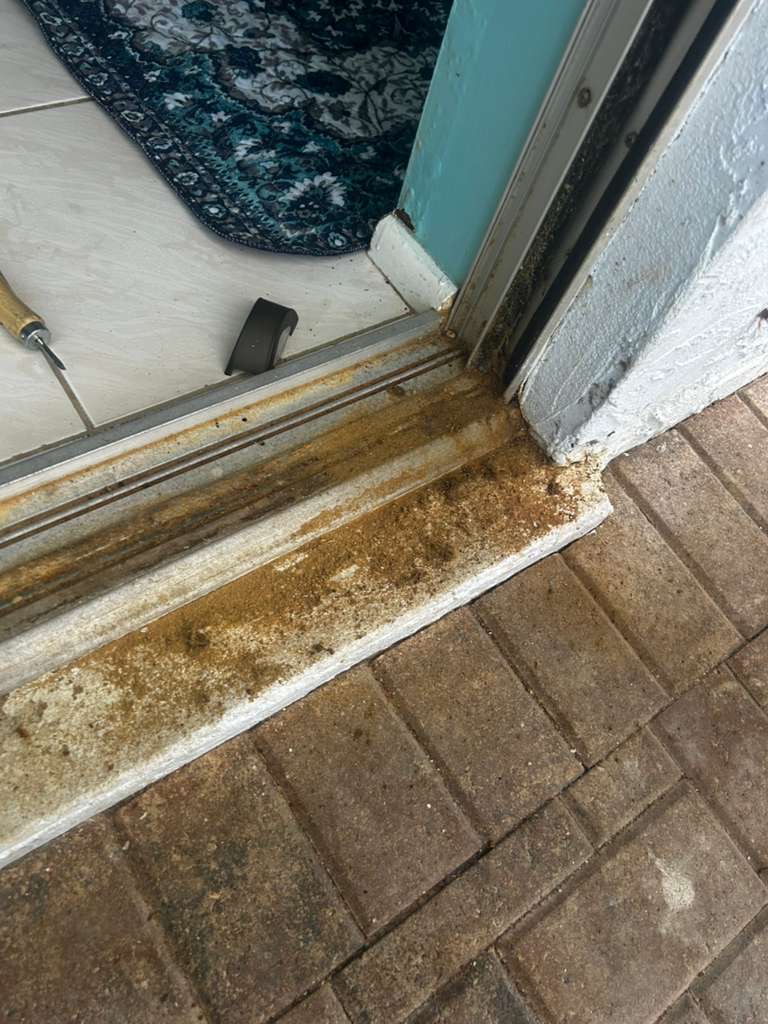
Is Your Sliding Door Track Beyond Repair? Here's How to Tell
When it comes to sliding glass doors, most homeowners focus on the glass, the handle, or the lock. But the real workhorse of the entire system is the track—the metal channel at the bottom (and sometimes top) that guides the door smoothly as it opens and closes.
Think of the track as the foundation of a house. If the foundation is cracked or uneven, everything built on top of it will eventually fail. The same applies to your sliding door. You can install brand-new rollers, adjust the height, and even upgrade the lock, but if the track itself is damaged, your door will never function properly—and worse, it could become a security risk.
So how do you know if your track is truly damaged or just in need of a little maintenance? Here are the key warning signs to look for, along with a clear breakdown of when to repair and when to replace.
1. Visible Bends or Dents in the Track
The most obvious sign of trouble is damage you can actually see. Take a few minutes to inspect the bottom track closely—run your fingers (carefully!) along its entire length and look for any irregularities.
What to look for:
- Bends, warps, or twists in the metal
- Dips or depressions that create low spots
- Raised sections where the metal has been pushed upward
What causes it: These types of physical damage are almost always the result of impact or excessive weight. Dragging heavy furniture, appliances, or boxes directly across the threshold is one of the most common culprits. Even a single heavy drop can leave a permanent dent that will cause your door to catch or jump every time it passes over that spot.
Why it matters: Rollers are designed to glide over a flat, smooth surface. When they hit a bend or dent, they either get stuck, wear down prematurely, or skip off the track entirely—which can cause the door to come off its rails.
2. Embedded Debris That Won't Budge
Sometimes the track looks fine at first glance, but your door still drags, scrapes, or refuses to move smoothly even after a thorough cleaning. This is a classic sign of embedded debris or surface degradation.
What to look for:
- Stubborn grime that doesn't come off with soap, water, and a brush
- Tiny stones, sand, or grit that appear to be fused to the metal
- A rough, pitted texture that feels like sandpaper when you run your finger along it
What causes it: Over time, dirt and moisture combine to form a hardened layer of grime that can bond to the track surface. In coastal areas like Tampa Bay, salt air accelerates this process. Even after aggressive cleaning, the track's profile may have been permanently altered, making it impossible for rollers to run smoothly.
Why it matters: A rough or uneven track surface acts like sandpaper on your rollers. Every time you open or close the door, tiny bits of metal and plastic wear away, shortening the lifespan of both the rollers and the track itself.
3. Rust or Corrosion
Living in Florida—particularly in the Tampa Bay area—comes with many perks. But salt air is not one of them. It's tough on cars, outdoor furniture, and yes, sliding door tracks.
What to look for:
- Orange or reddish-brown flaking patches on the metal track
- Pitting (tiny holes or craters in the surface)
- Areas where the metal feels brittle or crumbly
What causes it: Salt-laden air accelerates the oxidation process. Surface rust can sometimes be treated with a rust remover and a wire brush, but deep corrosion eats into the metal and weakens its structural integrity. Once the metal is compromised, it can no longer provide a stable, smooth surface for the rollers.
Why it matters: A corroded track isn't just a performance issue—it's a safety issue. If the track weakens, the door could become misaligned, difficult to lock, or even fall off its rails.
4. The Door Sticks at One Specific Spot
This is one of the most telling symptoms. If your door glides smoothly for most of its travel but always catches, jerks, or sticks at the exact same point, you can be almost certain that the damage is localized to that section of the track.
What to look for:
- A consistent "bump" or resistance at a particular spot
- A scraping sound that appears only in one area
- The door requiring extra force to pass that point, then moving freely again
What causes it: This is nearly always caused by a localized bend, dent, raised burr, or embedded piece of debris that sits exactly where the rollers pass. Because the obstruction is fixed in one place, the door's behavior is consistent and repeatable.
Why it matters: Localized damage is actually good news—it means the rest of your track may be perfectly fine. In many cases, this type of problem can be repaired rather than requiring a full track replacement.
Our honest advice: If your track has minor cosmetic rust or a small, accessible bend, repair is absolutely worth trying. But if the track shows deep pitting, extensive corrosion, or damage that spans more than a few inches, replacement is the smarter long-term investment. You'll save money on repeated service calls and enjoy a door that operates like new.
Prevention: Keep Your Track in Top Shape
The best repair is the one you never need. Here are four simple, low-cost habits that will extend the life of your sliding door track:
1. Place a mat or rug before the track. This traps dirt, sand, and debris before they can enter the channel. Choose a mat with a non-slip backing to keep it in place.
2. Never drag heavy furniture or objects across the track. If you need to move something large, lay down a plywood sheet or a protective ramp to distribute the weight and prevent direct impact on the metal.
3. Clean the track every 3 to 6 months. Use a vacuum with a narrow attachment, followed by a damp cloth and a small brush to scrub away grime. For stubborn buildup, a mixture of vinegar and water works wonders.
4. Lubricate annually. After cleaning, apply a silicone-based spray lubricant (never oil-based, which attracts dirt) to the track and rollers. This reduces friction and prevents premature wear.
Final Thoughts: Don't Ignore the Warning Signs
Your sliding door track is the foundation of the entire system. When it's compromised, no amount of roller replacement or lock upgrades will restore smooth, safe operation. More importantly, a damaged track can leave your door misaligned, making it easier to force open and compromising your home's security.
If you've noticed any of the signs we've covered—visible bends, stubborn debris, rust, or sticking in one spot—it's time to have a professional take a look. At All Sliding Repair, we don't believe in upselling unnecessary replacements. We'll give you an honest, no-pressure assessment of your track's condition and provide a clear, upfront price before any work begins.
Don't wait until your door gets stuck open—or worse, stuck closed. Call us today at (813) 576-2283 to schedule an inspection. We'll have your sliding door gliding like new in no time.
Need same-day help in Tampa Bay?
Free estimates · Licensed & Insured · 90-Day Guarantee
Service Areas
Same-day sliding door & window repair across 25+ cities in Tampa Bay.